Wondering whether microdermabrasion or microneedling is the right treatment for your skin? Both are popular options for giving your complexion a boost, but they work in very different ways, and choosing the best one depends on your skin goals. In this post, we’ll break down how each treatment works, what results you can expect, and how to decide which is the perfect fit for you.
What Is Microdermabrasion?
Microdermabrasion is a non-invasive, exfoliating treatment designed to refresh and revitalise the skin. Using a handheld device that sprays fine crystals or employs a diamond-tipped wand, microdermabrasion gently removes the outermost layer of dead skin cells. This helps to reveal smoother, brighter skin underneath while encouraging your body to produce fresh skin cells.
Microdermabrasion is a fantastic choice for treating dullness, mild pigmentation, rough texture, and clogged pores. By polishing away the surface layer of skin, it can leave your complexion looking instantly more radiant and feeling silky smooth.
Benefits of Microdermabrasion
Microdermabrasion offers immediate benefits for those wanting a quick skin refresh. After just one treatment, you’ll notice smoother texture, a brighter complexion, and a healthy glow. It can also help your skincare products absorb more effectively by clearing away dead skin. It’s a convenient treatment with no downtime, making it a popular option for busy schedules.
Drawbacks of Microdermabrasion
While microdermabrasion is great for surface-level concerns, it’s not the right choice for deeper issues like acne scarring or loss of collagen. It’s also not ideal for very sensitive or inflamed skin, as it can exacerbate redness or irritation. Temporary dryness or redness is common after treatment, but usually resolves quickly.
If you’re looking for a gentler way to exfoliate without mechanical abrasion, consider a dermaplane facial – a great option for sensitive skin types.
What Is Microneedling?
Microneedling, also known as collagen induction therapy, uses a pen-like device fitted with tiny, sterile needles (such as the advanced Medical-Grade Precision SkinPen device) to create controlled micro-injuries in the skin. These micro-channels trigger your body’s natural healing response, stimulating collagen and elastin production, two key proteins that keep skin firm, smooth, and youthful.
Microneedling is ideal for targeting deeper skin concerns like acne scars, fine lines, enlarged pores, and overall skin laxity. By promoting regeneration from within, it helps strengthen the skin’s structure and improve tone and texture over time.
Benefits of Microneedling
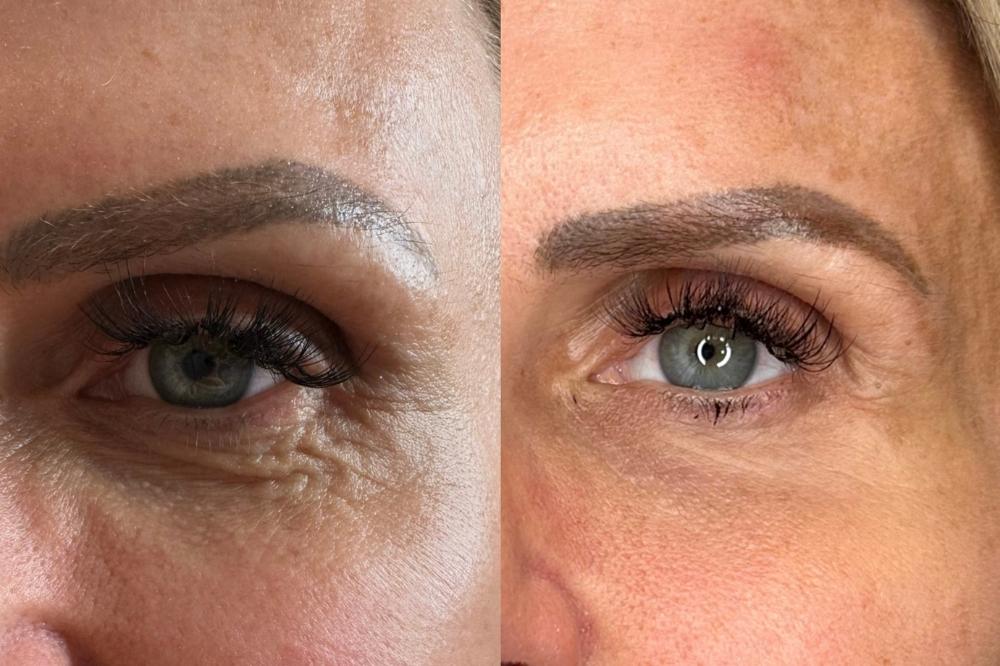
Microneedling’s biggest strength lies in its ability to remodel the skin’s architecture. Over a course of treatments, it can dramatically reduce acne scars, soften lines, improve skin firmness, and minimise pores. The collagen boost makes it one of the most effective non-surgical options for long-term skin rejuvenation, giving you fresher, plumper, and more resilient skin.
Drawbacks of Microneedling
Microneedling does come with a few downsides to consider. The treatment can cause discomfort during the procedure, though numbing cream makes it very tolerable.
Redness can last for 24-48 hours after each session, and your skin may feel sensitive while it heals. Unlike microdermabrasion, you’ll need a few days of social downtime, especially after your first treatment.
Microdermabrasion vs Microneedling Comparison
| Feature | Microdermabrasion | Microneedling |
|---|---|---|
| How it works | Exfoliates outer skin layer | Creates micro-injuries to stimulate collagen |
| Best for | Dullness, mild texture issues | Scarring, fine lines, enlarged pores |
| Pain level | Painless | Mild discomfort with numbing |
| Recovery time | None to minimal | 24 hours of redness |
| Visible results | Immediate brightness | Gradual improvement over weeks |
| Number of sessions | Regular maintenance | 3–6 sessions for optimal results |
| Treatment time | 30–45 minutes | 45–60 minutes |
Results and Recovery
Microdermabrasion delivers instant results, you’ll leave your appointment with smoother, brighter skin that looks refreshed. There’s little to no downtime, though some may experience temporary redness.
Microneedling requires more patience. Initial redness can last for 24 hours, but results begin to show within a few weeks as collagen starts to rebuild. Peak improvements are typically seen after a full course of treatments.
How Much Do They Cost?
While exact pricing depends on your clinic and individual plan, microdermabrasion typically starts around £70-£150 per session. Microneedling treatments can range from £200-£350 per session, reflecting the more advanced technology and regenerative results.
Potential Side Effects
With microdermabrasion, common side effects include temporary redness, dryness, or slight sensitivity immediately after treatment.
Microneedling side effects can include redness, mild swelling, pinpoint bleeding during the procedure, and light peeling as your skin heals. Following aftercare advice, such as avoiding makeup for 24 hours and staying out of direct sun, helps ensure smooth recovery and best results.
Which Is Best for Me?
Choosing between microdermabrasion and microneedling depends on your goals. If you want a quick, no-downtime treatment to refresh your complexion, microdermabrasion is perfect for brightening and smoothing surface texture. But if you’re looking to tackle deeper concerns like acne scars, wrinkles, or loss of firmness, microneedling is your best bet.
Both treatments can address uneven tone, but microneedling stands out for improving acne scars, fine lines, and enlarged pores, thanks to its ability to stimulate collagen production. For a subtle glow and smoother surface, microdermabrasion is a fantastic place to start.
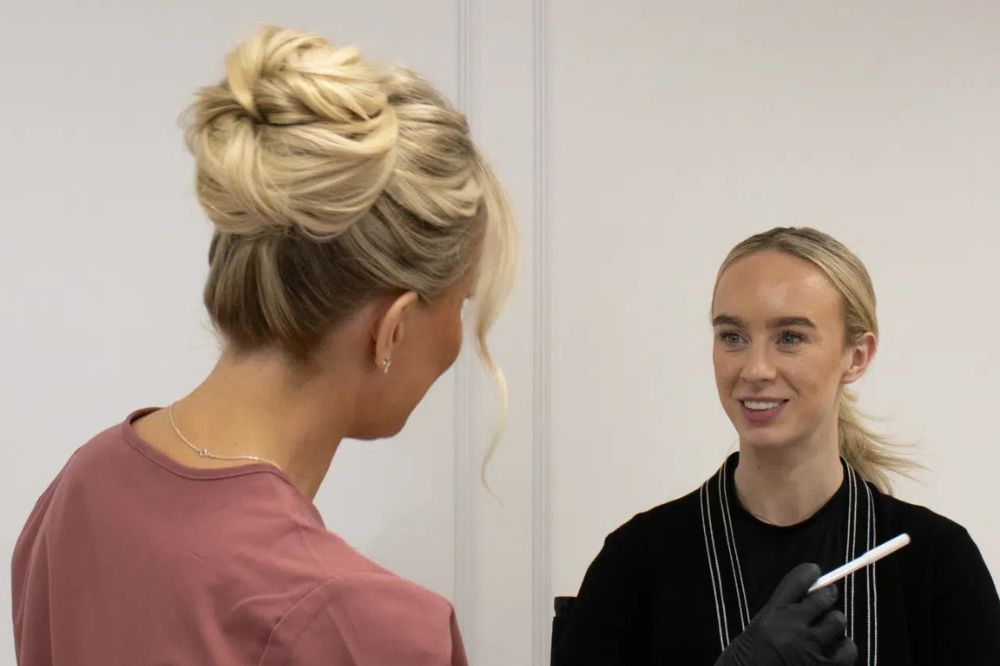
Unsure which option suits your skin best? Our team is here to guide you. Book a consultation so we can assess your skin, talk through your goals, and create a treatment plan that’s completely tailored to you.
Ready to Take the Next Step?
If you’re ready to transform your skin with microdermabrasion or microneedling, we’d love to help. Explore our SkinPen Precision microneedling page or contact us today to book your consultation. We’ll walk you through the options and help you understand what’s right for you.
FAQs
Is Microneedling Painful?
With numbing cream, microneedling is very tolerable – most people describe it as a mild prickling sensation.
Can Microneedling Promote Hair Growth?
Yes, microneedling can stimulate blood flow to the scalp and support hair growth when combined with specific serums.
Can You Have Microdermabrasion When Pregnant?
Generally, yes, but always check with your healthcare provider first, as your skin can be more sensitive during pregnancy.
Can You Combine Both Treatments?
Yes, many people alternate between microdermabrasion and microneedling to target different concerns and maximise results.
How Many Sessions Are Usually Needed?
Microdermabrasion can be done monthly as maintenance. Microneedling often requires 3-6 sessions spaced 4-6 weeks apart for optimal results.