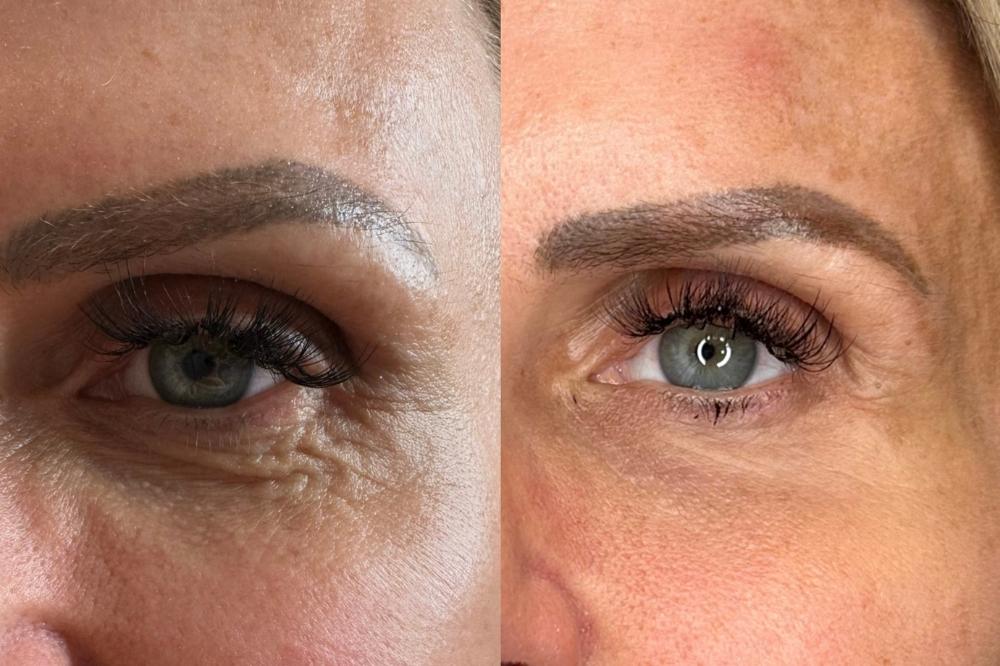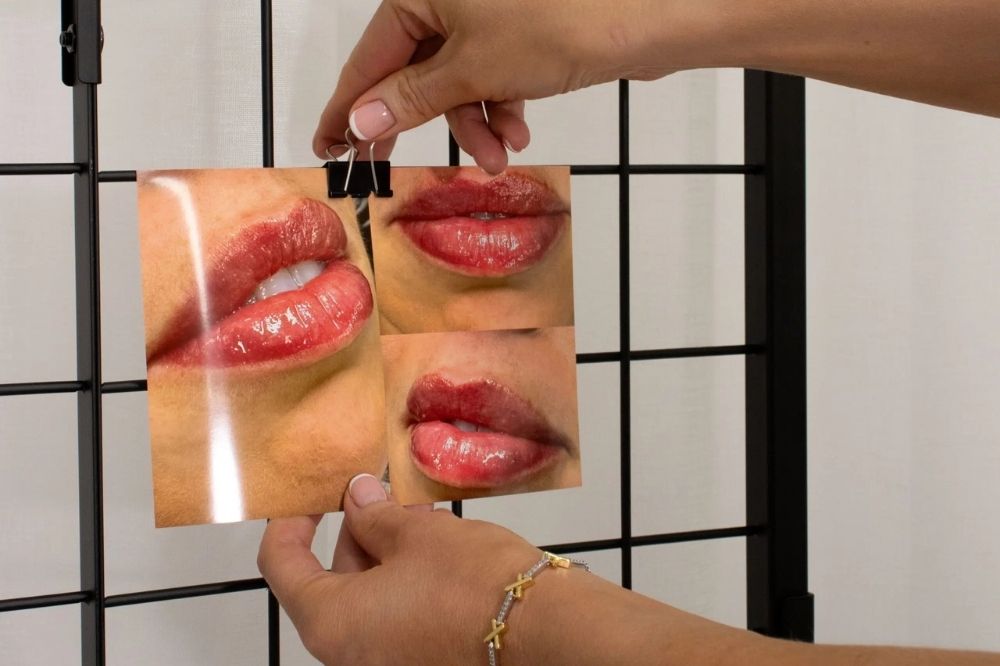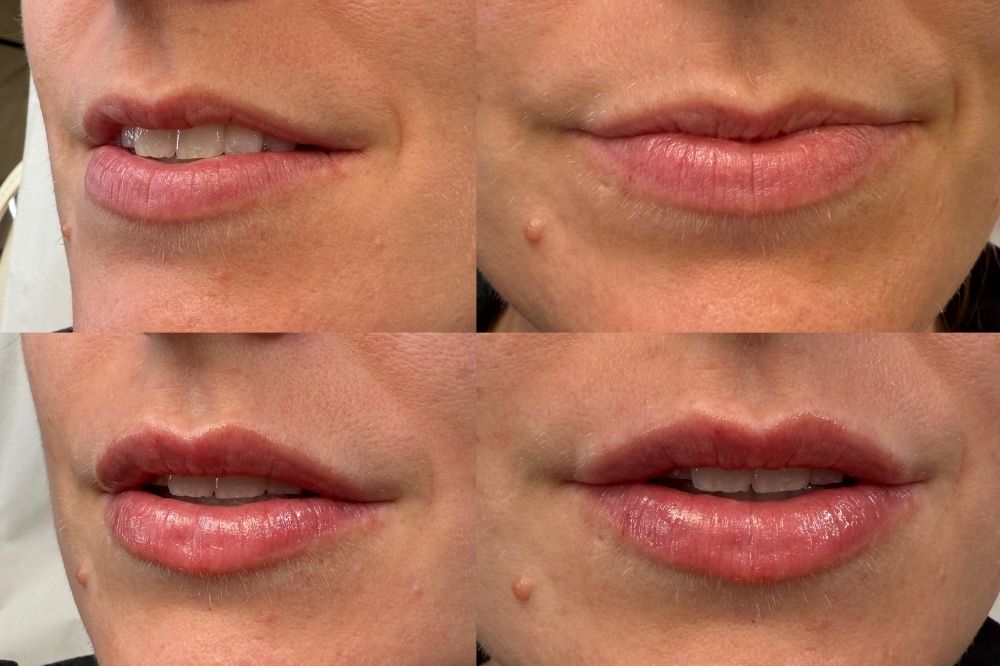
If you’re wondering “Is polynucleotide a skin booster?” the answer is: no, polynucleotides are not traditional skin boosters. However, they are often grouped under the ‘skin booster’ umbrella because they improve skin quality.
Let’s explore this further. Read on for more about polynucleotides and skin boosters. We’ll discuss how each treatment works, how they compare, and which option may be better for your skin goals.
What Are Polynucleotides?
Polynucleotides are DNA-derived molecules (often sourced from salmon DNA) used to repair, regenerate, and improve the overall health of the skin.
They can be used for:
- Improving skin texture and elasticity
- Stimulating fibroblasts to produce collagen
- Reducing inflammation
- Supporting healing in compromised or sensitive skin
- Aiding wound healing and improving the appearance of scars (including acne and surgical scars)
- Rejuvenating delicate areas such as the neck, where skin is thinner and more prone to laxity
- Strengthening the skin barrier over time
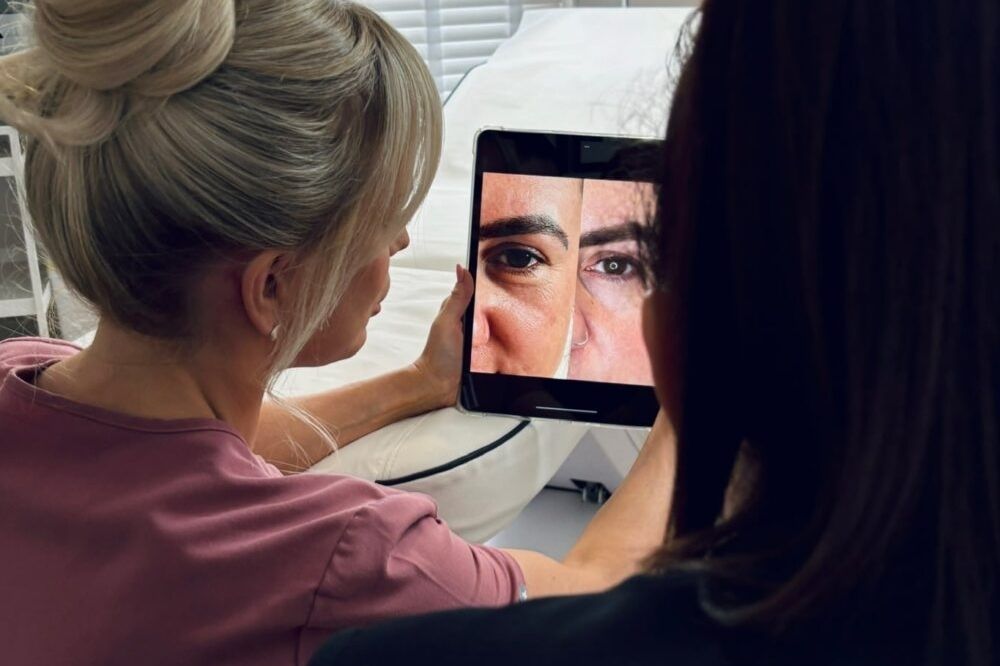
How Do Polynucleotides Work?
Polynucleotides work through bio-stimulation, a process that encourages your skin to regenerate damaged tissue.
They work to:
- Activate fibroblasts (your collagen-producing cells)
- Increase hydration by improving the extracellular matrix
- Reduce oxidative stress
- Improve dermal density and firmness
- Help repair scarring and photo-aged skin
At BU Aesthetics on the Wirral, all injectable treatments are performed by an Independent Nurse Prescriber following a full medical consultation.
Interested in Polynucleotides? Book a consultation today with BU Aesthetics.
What Are “Polynucleotide Skin Boosters”?
Polynucleotides improve skin quality, so many clinics refer to them as “polynucleotide skin boosters.”
This term is commonly used in aesthetic practice, although medically, polynucleotides are classed as regenerative biostimulators rather than hydrating skin boosters. They do boost and revitalise the skin, but the way they work is very different from HA boosters.
In reality, they sit in a category of their own:
- Skin boosters = Hydration
- Polynucleotides = Regeneration
- Polynucleotide with HA = a combination of both
What Are Skin Boosters?
Skin boosters are injectable treatments that use hyaluronic acid (HA) to provide your skin with deep hydration and improve its overall appearance.
Unlike dermal fillers, skin boosters don’t add volume. Instead, they deliver long-lasting hydration and plumpness.
Many people choose skin boosters for the following effects:
- Increased glow
- Better hydration
- Smoother, fresher-looking skin
- Reduced crepiness or fine lines
- Improved skin texture
Some types of skin boosters include Profhilo, Hydromax and Skinvive. At BU Aesthetics, we use all of the above to revitalise, redensify, and moisturise the skin.
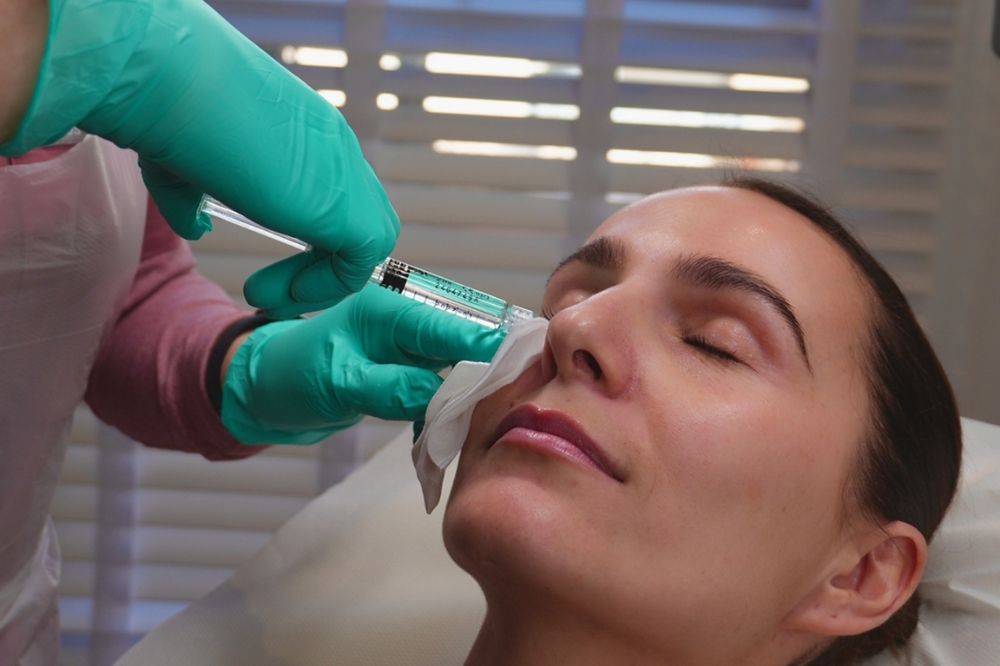
How Do Skin Boosters Work?
Traditional HA skin boosters work by injecting hyaluronic acid beneath the skin. HA attracts and retains water, which delivers:
- Deep hydration
- A smoother skin surface
- Improved radiance
- Subtle plumping of fine lines
With skin boosters, you can expect results quite quickly – hydration is visible within days, and you may notice optimal results in 2-4 weeks.
Interested in Skin Boosters? Book a consultation today with BU Aesthetics.
Polynucleotides vs Skin Boosters: Key Differences
Here’s a side-by-side comparison to help you see how both treatments work:
| Feature | Polynucleotides | Traditional Skin Boosters (HA) |
|---|---|---|
| Main Ingredient | Purified DNA fragments | Hyaluronic Acid |
| Primary Action | Regeneration + healing | Deep hydration |
| Best For | Elasticity, scarring, ageing, sensitivity | Glow, hydration, fine lines |
| Results Timeline | Gradual but long-lasting | Faster hydration results |
| Skin Quality Changes | Structural improvement | Surface-level radiance |
| Longevity | Often longer-lasting | Typically shorter but immediate glow |
| Suitability | Great for compromised or mature skin | Great for dehydrated or dull skin |
Polynucleotides work deeper and regenerate the skin, while standard HA boosters work at a surface level to hydrate and brighten. They are regenerative biostimulators rather than hydrating injectables like hyaluronic acid skin boosters.
Tip: If you want the benefits of both HA hydration and PN regeneration in one treatment, NEWEST combines hyaluronic acid with polynucleotides. The hyaluronic acid deeply hydrates the extracellular matrix, creating an optimal environment for polynucleotides to interact with fibroblasts and support collagen production, tissue repair and overall skin strength. This means you get early visible results such as improved hydration, glow and comfort, alongside enhanced long-term regeneration and structural improvement.
Benefits of Polynucleotides
Many people opt for polynucleotides because they’re looking for:
- Firmer, more elastic skin
- Reduced fine lines and wrinkles
- Help with acne scarring or texture issues
- Improved healing of scars and damaged skin
- Rejuvenation of fragile areas like the neck and décolletage
- Stronger skin barrier
- More youthful, resilient skin over time
- A regenerative treatment rather than a hydrating one
Polynucleotides can be a great option if you have sensitive or thinning skin, or if you want long-term structural improvement rather than just glow.
Which Treatment Is Right for Me?
If your skin is dehydrated or feels dull → Skin boosters
If your skin is weakened, aging or scarred → Polynucleotides
And if you want both hydration and regeneration, you can combine both treatments with the use of NEWEST.
Whether you’re looking for hydration or deep regenerative skin support, we can help you choose the right treatment for your concerns.
Book your consultation at our West Kirby clinic today and get personalised advice on which treatment is right for you.